Do Heat Pump Hot Water Systems Work in Perth's Climate?
Understanding how heat pumps perform in Perth's Mediterranean climate. Temperature efficiency, seasonal performance, and why Perth is ideal for heat pumps.
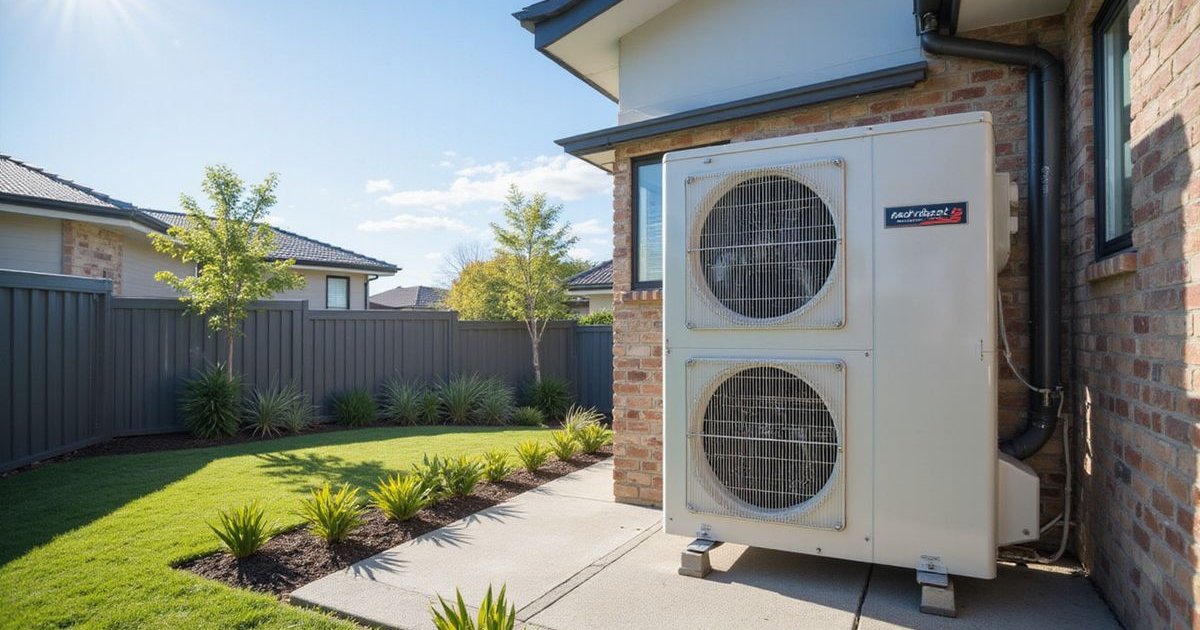
The number one concern we hear from Perth homeowners isn’t about price; it’s about whether a heat pump can actually handle a chilly July morning.
Since 2021, Hot Water System Perth has replaced hundreds of struggling gas and electric units with modern heat pumps. We have seen firsthand that Perth’s climate isn’t just “okay” for this technology—it is arguably the best environment in the world for it. The combination of mild winters and long, sunny days creates a “sweet spot” for efficiency that other cities simply cannot match.
In this guide, we will look at the real performance data, the specific tariff tricks that save locals hundreds of dollars, and the installation rules you need to know.
How Heat Pumps Actually Create Heat
Think of a heat pump as a refrigerator running in reverse. While a fridge pulls heat out of the box to keep your food cold, a heat pump pulls heat out of the air to keep your water hot.
The system uses a specialized refrigerant (like R290 or R744) that boils at extremely low temperatures. A compressor pressurizes this gas, which causes its temperature to skyrocket, and then transfers that intense heat directly to your water tank.
Why Perth is the “Goldilocks” Zone
Efficiency in heat pumps is measured by the Coefficient of Performance (COP). A COP of 4.0 means that for every 1 unit of electricity you pay for, you get 4 units of heat energy.
Your heat pump’s efficiency depends entirely on the outside air temperature.
- 20°C (Typical Spring/Autumn): COP hits 4.0 to 5.0 (400-500% efficiency).
- 10°C (Cool Winter Day): COP stays around 3.0 to 3.5.
- 0°C (Freezing): COP drops to around 2.0.
Perth’s Advantage by the Numbers:
- Summer Average: 30°C+
- Winter Day Average: 18°C
- Winter Night Average: 8°C
The lowest temperature recorded in Perth Metro during July 2025 was approximately 7°C on average nights, with rare dips near freezing. Unlike Canberra or Hobart, where sub-zero temperatures force heat pumps to work overtime, Perth units almost never enter “defrost mode.”
Seasonal Performance in Perth
Summer: The unit barely has to work. With ambient air often sitting at 30°C, the system heats your water rapidly and uses minimal electricity.
Autumn & Spring: These seasons offer the perfect balance. You will likely see COP figures holding steady above 4.0.
Winter: This is where the concern usually lies. However, because our average winter low is around 8°C, a quality heat pump retains a COP of roughly 3.0. This makes it three times more efficient than a standard electric storage system, even in the dead of winter.
The “Solar Sponge” Secret: Rethinking Timing
Old advice used to suggest running your hot water system at night to use off-peak power. We strongly advise against this for Perth residents today.
Synergy’s “Midday Saver” tariff has changed the game entirely.
- Overnight (9pm - 9am): You pay approx. 23 cents per unit.
- Peak (3pm - 9pm): You pay approx. 54 cents per unit.
- Super Off-Peak (9am - 3pm): You pay approx. 8.4 cents per unit.
The Strategy: Set your heat pump’s timer to run between 10:00 AM and 2:00 PM.
By doing this, you are heating water when the air temperature is highest (maximum efficiency) and electricity is cheapest (8.4 cents). If you have solar panels, this electricity is effectively free.
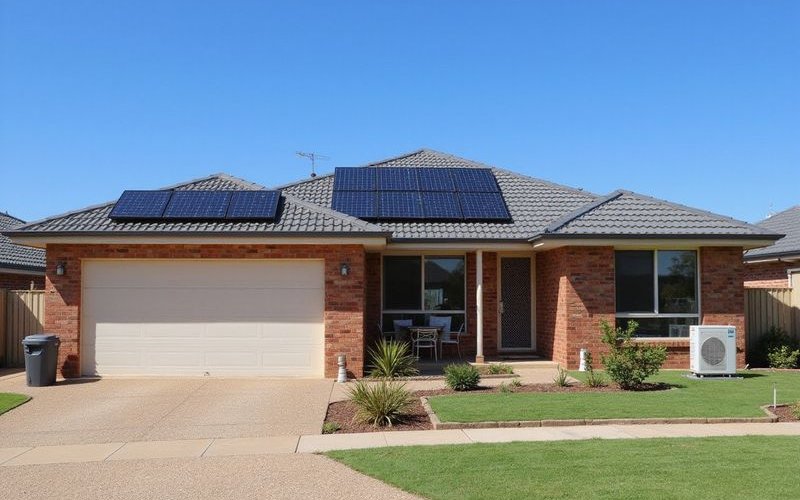
Quantified Savings: Heat Pump vs. Gas vs. Electric
Many people ask if the switch is worth the upfront cost. Here is a breakdown of estimated annual running costs for a typical Perth family of four, based on 2025 energy rates.
| System Type | Avg. Annual Cost (Standard Tariff) | Avg. Annual Cost (Midday Saver / Solar) |
|---|---|---|
| Electric Storage | $900 - $1,200 | $400 - $600 |
| Gas Storage (4 Star) | $500 - $700 | N/A (Gas prices rising) |
| Heat Pump | $250 - $350 | $60 - $120 |
Switching from a standard electric system to a heat pump on a timer can save you over $800 annually.
Critical Installation Considerations for WA
Noise Regulations Western Australia has strict noise laws under the Environmental Protection (Noise) Regulations 1997. In residential areas, noise at your neighbour’s boundary often cannot exceed 45 dB(A) after 7 pm. Most modern units like the iStore or Reclaim Energy CO2 operate between 37 dB and 48 dB. We always position the fan unit away from fences or bedroom windows to ensure compliance.
Hard Water Management Perth water has a high mineral content, specifically calcium carbonate. This “hard water” attacks the sacrificial anode inside the tank. You must check your anode every 3 to 4 years. If you ignore this, the tank will corrode and void your warranty.
Airflow vs. Sun A common misconception is that heat pumps need direct sunlight. They do not. You can install them in a carport, on the south side of the house, or under an eave. The only requirement is good airflow so the unit can expel cold air without recycling it.
The Bottom Line
Perth is arguably the best capital city in Australia for owning a heat pump hot water system. The math is simple:
- Climate: Our mild winters mean the unit runs at high efficiency year-round.
- Tariffs: The 8.4c Synergy Midday Saver rate allows you to “battery” cheap energy in the form of hot water.
- Reliability: No freezing pipes or defrost issues common in the eastern states.
If you are looking to replace a gas or electric unit, the heat pump is the logical financial winner for our region.
Questions?
Contact us for a free assessment. We will check your location for noise compliance and help you choose a model that qualifies for the Zone 3 STC rebates.
Have Questions About Your Hot Water System?
Our team is ready to help with expert advice and professional service.