Gas Hot Water Running Costs in Perth: What to Expect
Understanding gas hot water operating costs in Perth. Comparing Alinta, Kleenheat rates, efficiency factors, and tips to reduce your gas bills.
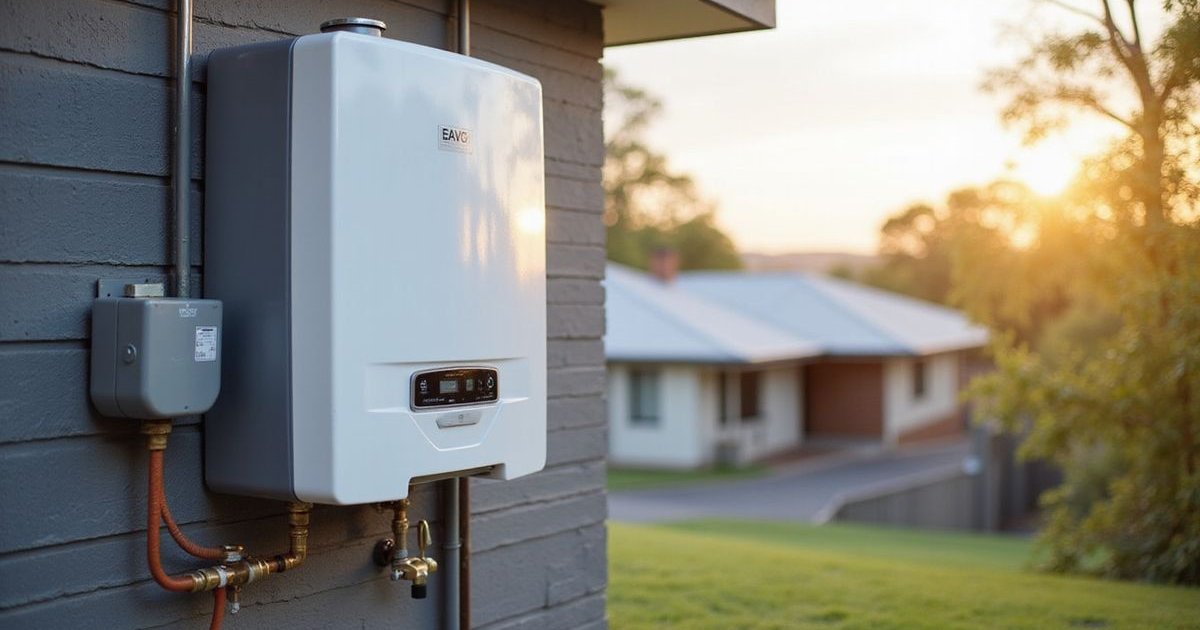
You know how every time a new gas bill lands in your inbox, there’s that moment of hesitation before you open it? From what we’ve seen across Perth lately, you aren’t the only one feeling that pinch. Prices have shifted, and for many households, the hot water system is the silent budget-killer running in the background.
We want to help you make sense of those numbers and, more importantly, lower them. This guide breaks down exactly what you’re paying for every shower, how the latest tariffs affect your bottom line, and the practical steps our team recommends to get those costs under control.
Current Gas Prices in Perth
Understanding your bill starts with decoding the “units” versus “megajoules” confusion. Most Perth gas bills from retailers like Alinta Energy or Kleenheat measure your usage in “Units,” but the energy content is actually measured in Megajoules (MJ).
One “Unit” of gas on your bill equals 3.6 Megajoules (MJ).
To give you an accurate picture for 2026, we have broken down the typical costs. While prices fluctuate based on your specific plan and tier, here is the realistic range you are likely paying in the Perth metro area:
- Alinta Energy: Approximately 4.5 - 5.5 cents per MJ (roughly 16-19 cents per Unit).
- Kleenheat: Approximately 4.6 - 5.2 cents per MJ (roughly 16.5-18.5 cents per Unit).
- AGL: Approximately 4.4 - 5.4 cents per MJ (roughly 16-19 cents per Unit).
These figures include the variable usage rates but exclude the Daily Supply Charge, which is typically around 24-28 cents per day depending on your retailer.

Typical Running Costs
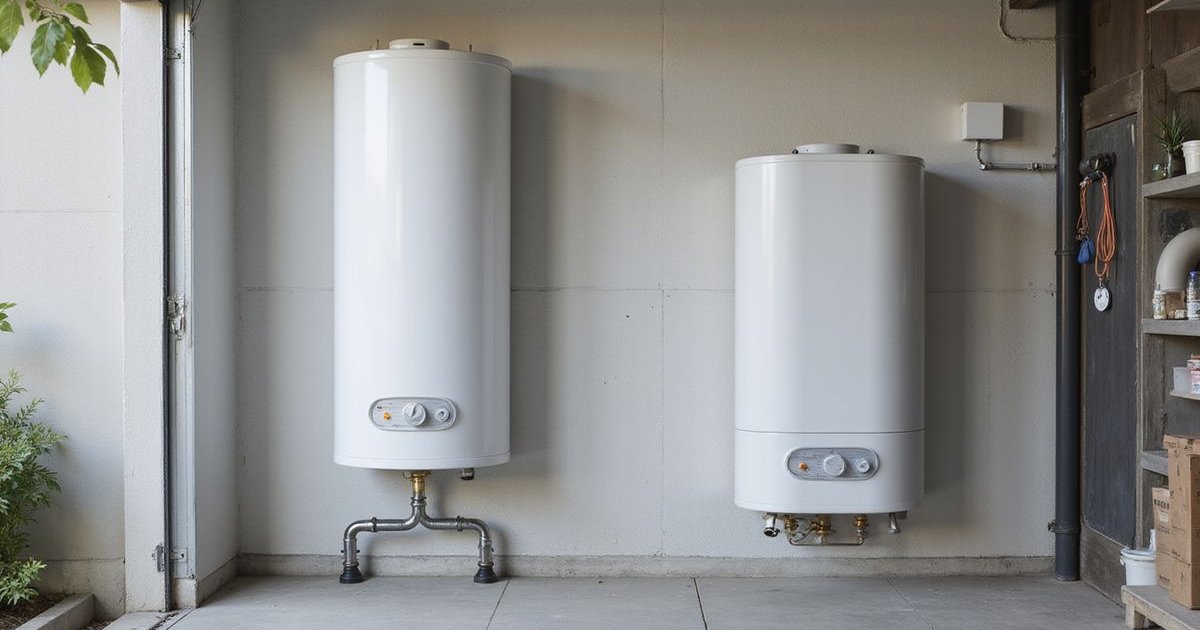
We find that many homeowners underestimate their running costs because they look at the gas price alone, forgetting about system efficiency. A standard gas storage tank burns gas just to keep water hot while you’re sleeping, which adds up.
Here is what you can expect to pay annually based on current Perth rates:
Gas Storage System (135L - 170L)
- Annual Gas Use: 14,000 - 18,000 MJ
- Annual Cost: $650 - $950
- The Reality: These systems often have a pilot light and constant reheating cycles, making them the most expensive natural gas option.
Gas Continuous Flow (26L/min)
- Annual Gas Use: 11,000 - 15,000 MJ
- Annual Cost: $500 - $750
- The Reality: Since these units only heat water when you turn the tap on, they eliminate “standing heat loss,” saving you about $150-$200 per year compared to storage tanks.
LPG Systems (Bottled Gas)
- Annual Cost: $1,100 - $1,600+
- The Reality: If you are not connected to the mains gas grid (natural gas), LPG is significantly more expensive. A 45kg cylinder refill now costs upwards of $130-$150, and a family can easily burn through 8-10 bottles a year.
Factors Affecting Your Costs
Your bill is driven by more than just the price of gas. We see three main physical factors that dictate how much you pay.
Household Size & Usage Patterns Usage is the obvious multiplier. A teenager taking 20-minute showers will naturally triple the cost compared to a conservative user. We recommend installing 3-star WELS rated showerheads (9 litres per minute), which can cut hot water usage by 40% without ruining the shower experience.
Temperature Settings Legally, water must be stored at 60°C to prevent Legionella bacteria growth, but it should be delivered to your bathroom at 50°C. If your tempering valve is faulty or set too high, you are paying to overheat water only to cool it down again with cold water at the tap.
System Age & Efficiency Gas burners degrade over time. A 12-year-old system might only be 60% efficient, meaning 40 cents of every dollar you spend on gas is wasted up the flue. Modern 5-star continuous flow systems operate at around 85% efficiency or higher.
Comparing to Other System Types
Making a switch is often the best way to secure long-term savings. The table below compares the estimated annual running costs for an average Perth family of four in 2026.
| System Type | Annual Running Cost | Efficiency Rating |
|---|---|---|
| Heat Pump (High Efficiency) | $180 - $280 | 300% - 400% |
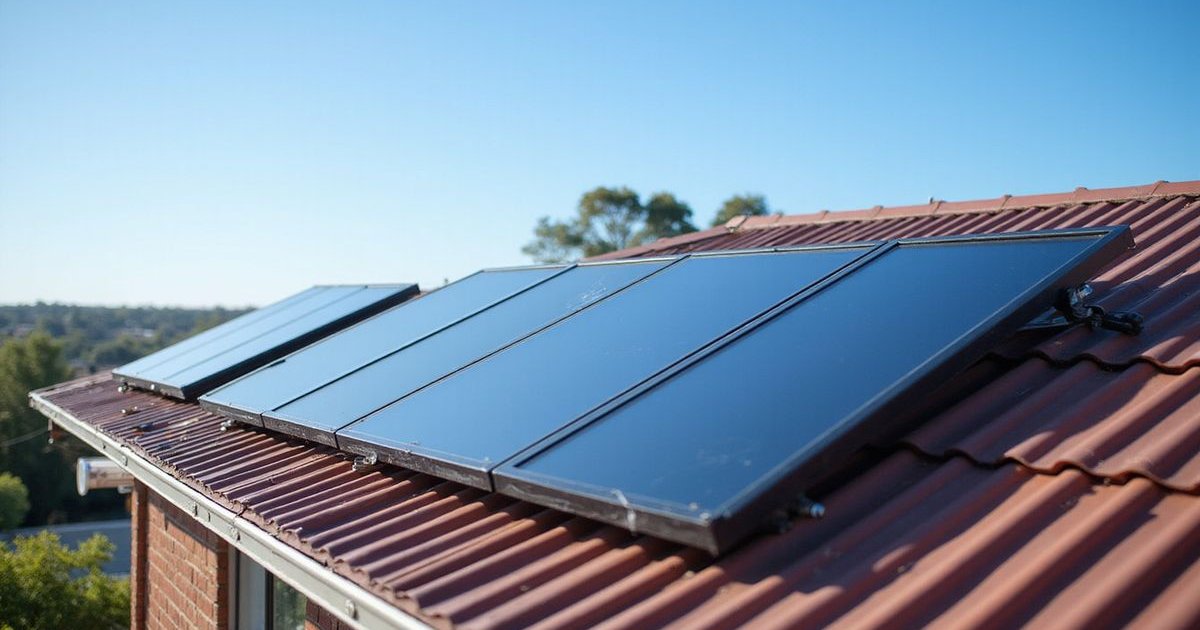
| Solar (Gas Boosted) | $300 - $450 | Varies by Sun |
| Gas Continuous Flow | $500 - $750 | 80% - 90% |
| Gas Storage (4-Star) | $650 - $950 | 70% - 80% |
| Electric Storage | $900 - $1,300 | 100% (High tariff) |
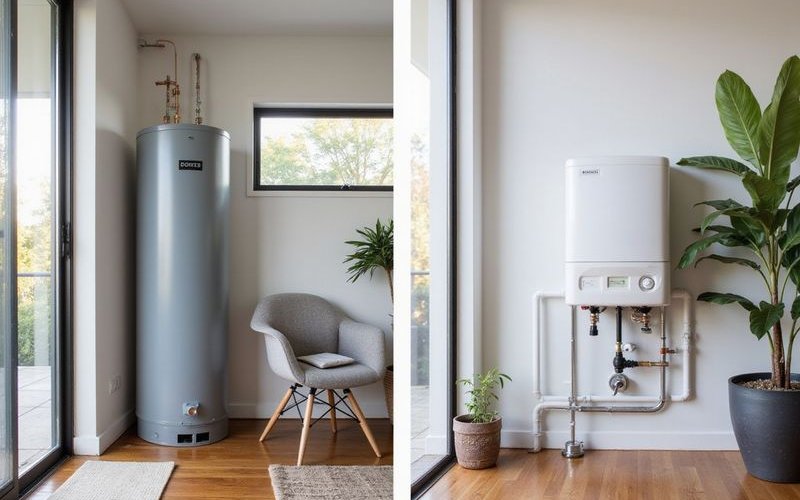
Heat pumps have become the clear winner for running costs in WA. Even though gas was once the “cheap” choice, rising global gas prices and efficient electric heat pump technology have flipped the script.
Reducing Gas Hot Water Costs
You don’t always need a new system to lower your bill immediately. We suggest these practical steps to optimize what you currently have.
1. The “Cold Wash” Switch Doing your laundry in cold water is the single easiest way to save. Heating water for a warm wash cycle uses a surprising amount of gas, and modern detergents work perfectly well at 20°C.
2. Check Your Pilot Light If you have an older storage unit, the pilot light burns gas 24/7. While you can’t turn it off without shutting down the system, ensuring the flame is blue (not yellow) indicates it is burning efficiently. A yellow flame means it needs a service.
3. Use “Holiday Mode” Some modern digital controllers for continuous flow systems have a “holiday” or “off” button. If you are going away for a week, turn the unit off completely so it isn’t using power or gas for standby functions.
4. Insulate Exposed Pipes The first 2 meters of pipe leaving your water heater are critical. We advise wrapping these in foam lagging (available at any hardware store) to keep the heat inside the pipe rather than letting it escape into the cool Perth air.
5. Comparison Shop Your Plan Gas retailers in WA often offer “usage discounts” of up to 35% for new customers or RAC members. Check your bill—if you aren’t getting a discount on your usage charges, you are paying too much.
The Upgrade Question
Many of our clients ask if it is worth ditching gas entirely. With the current Small-scale Technology Certificates (STCs) incentive, the upfront cost of a heat pump is heavily subsidized.
Here is the math for a typical switch:
- Heat Pump vs Gas Savings: ~$400 - $600 per year.
- Government Incentive (STCs): Reduces upfront price by ~$900 - $1,200 (point-of-sale discount).
- Payback Period: Often 3-5 years.
If your current gas unit is over 10 years old, upgrading to a heat pump is almost certainly the smarter financial move. You stop paying the daily gas supply charge entirely if you disconnect your meter, which saves another ~$100 a year.
Our Advice
We believe the numbers speak for themselves, but every home is different. If your gas unit is still new, it makes sense to keep maintaining it efficiently; however, if it’s nearing the end of its life, the switch to electric or heat pump technology is where the real savings are.
Contact us for a free assessment of your current setup. We can help you compare your actual gas usage against the potential savings of a modern system.
Have Questions About Your Hot Water System?
Our team is ready to help with expert advice and professional service.