Heat Pump vs Gas Hot Water: Which Is Better for Perth Homes?
Comparing heat pump and gas hot water systems for Perth conditions. Running costs, upfront prices, efficiency, and which suits your household.
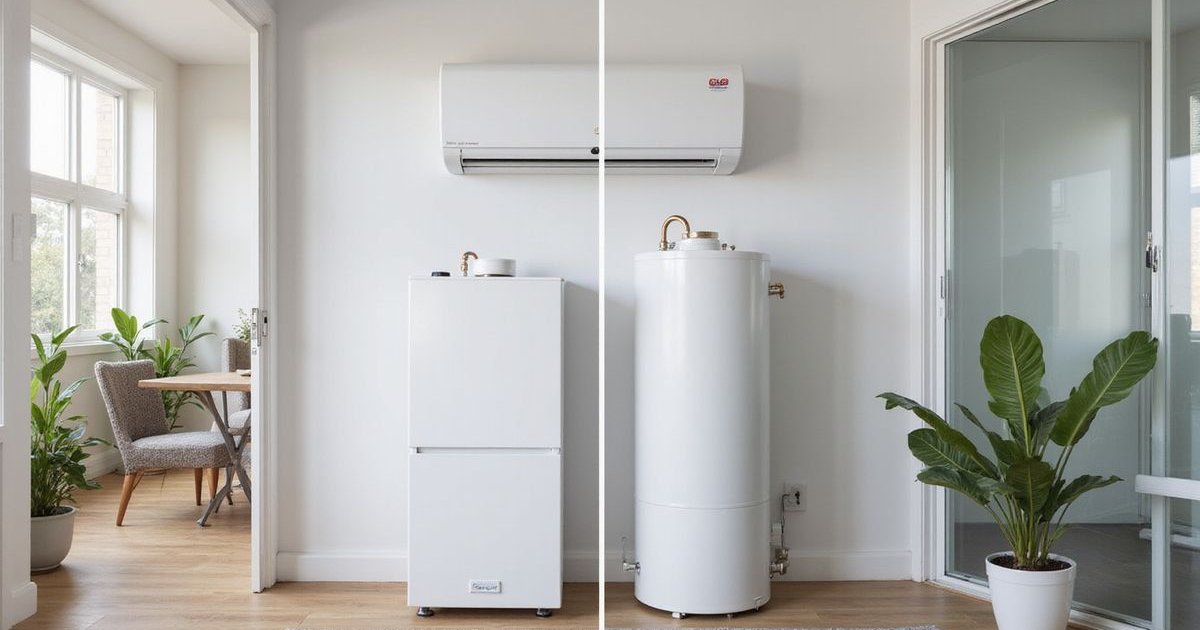
Two of the most popular hot water options for Perth homes are heat pumps and gas systems. Each has genuine advantages and disadvantages. Here’s an honest comparison to help you decide which suits your situation.
The Quick Summary
| Factor | Heat Pump | Gas |
|---|---|---|
| Upfront cost | Higher ($3,500-$6,500) | Lower ($1,800-$4,500) |
| Running cost | Lower ($180-$280/year) | Higher ($450-$700/year) |
| Efficiency | Very high (300-400%) | Moderate (80-95%) |
| Environmental | Lower emissions | Higher emissions |
| Space needed | Outdoor unit required | Compact options available |
| Noise | Low hum (37-50dB) | Silent (storage) |
| Rebates | Yes (Federal STCs) | No |
Upfront Costs
Gas systems win on purchase price. A quality gas storage system installed typically costs $1,800-$3,000, while continuous flow units run $2,200-$4,500 installed.
Heat pumps cost more initially. You will typically pay between $3,500 and $6,500 for a fully installed premium unit. Government incentives known as Small-scale Technology Certificates (STCs) help reduce this sticker price by approximately $500-$1,000 depending on the system’s efficiency rating.
If budget is tight, gas has a lower barrier to entry.
Running Costs
This is where the picture changes dramatically.
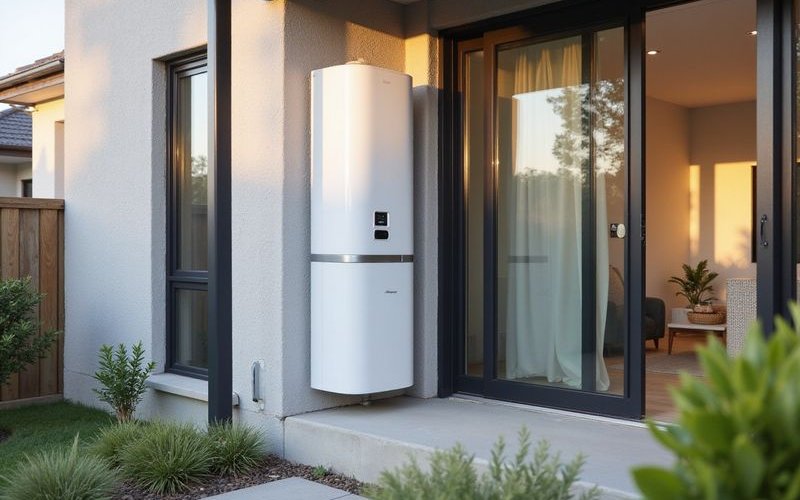
Heat pumps are approximately 3-4 times more efficient than gas. They extract heat from ambient air, using only electricity to run the compressor and fan.
The Impact of Perth’s Solar Landscape
In Western Australia, our high solar uptake changes the math significantly.
We often recommend heat pumps to customers with rooftop solar panels. A standard heat pump cycle consumes about 0.8kW to 1kW of power.
Running your system on a timer during the day—specifically between 10:00 AM and 2:00 PM—means you are heating water for free using your own solar generation. Even without solar, heat pumps running on Synergy’s time-of-use tariffs are incredibly cheap.
A typical Perth family spends $180-$280 annually on heat pump hot water.
Gas systems burn natural gas or LPG to generate heat. Perth gas prices have increased, making annual costs typically $450-$700 for storage systems.
You also have to account for the daily supply charge. ATCO’s network charges mean you pay cents per day just to have the gas meter connected, regardless of how much gas you use.
Annual savings with heat pump: $200-$500 depending on gas type and usage
Total Cost of Ownership
Over a 12-year lifespan, the numbers often favour heat pumps despite higher upfront costs:
Heat Pump Total Cost (12 years):
- Purchase (after rebate): $4,000
- Running costs: $2,800
- Total: ~$6,800
Gas Storage Total Cost (12 years):
- Purchase: $2,500
- Running costs: $7,200
- Total: ~$9,700
The heat pump’s higher purchase price is offset by dramatically lower running costs.
Space Requirements
Gas systems offer flexibility. Storage tanks can go indoors or outdoors, and continuous flow units mount compactly on walls.
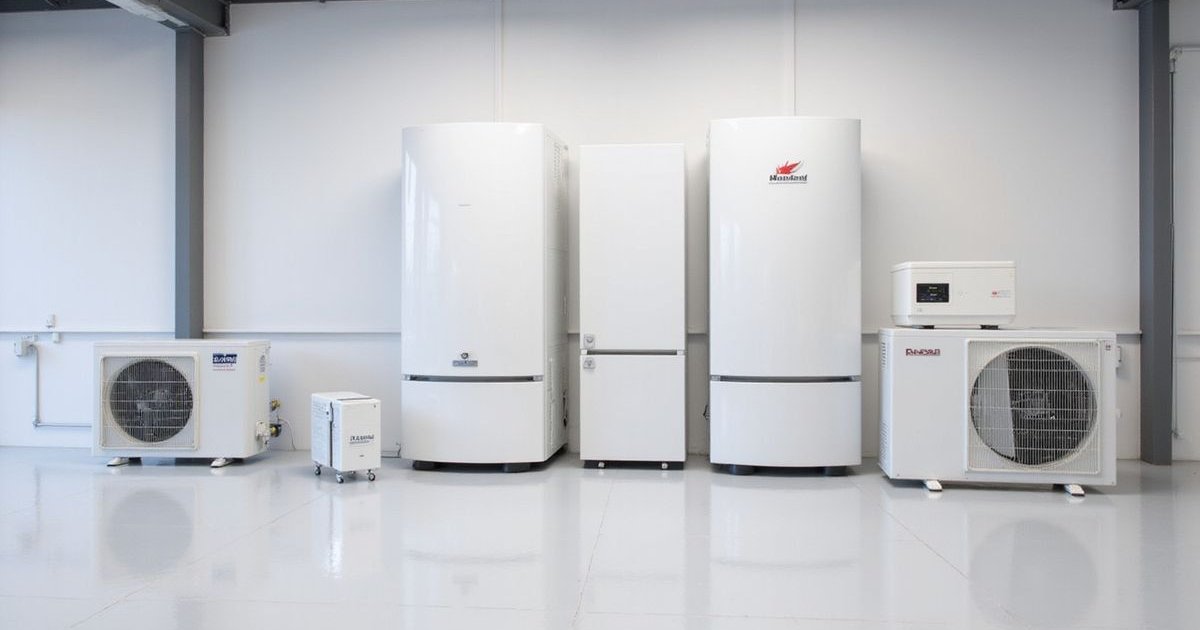
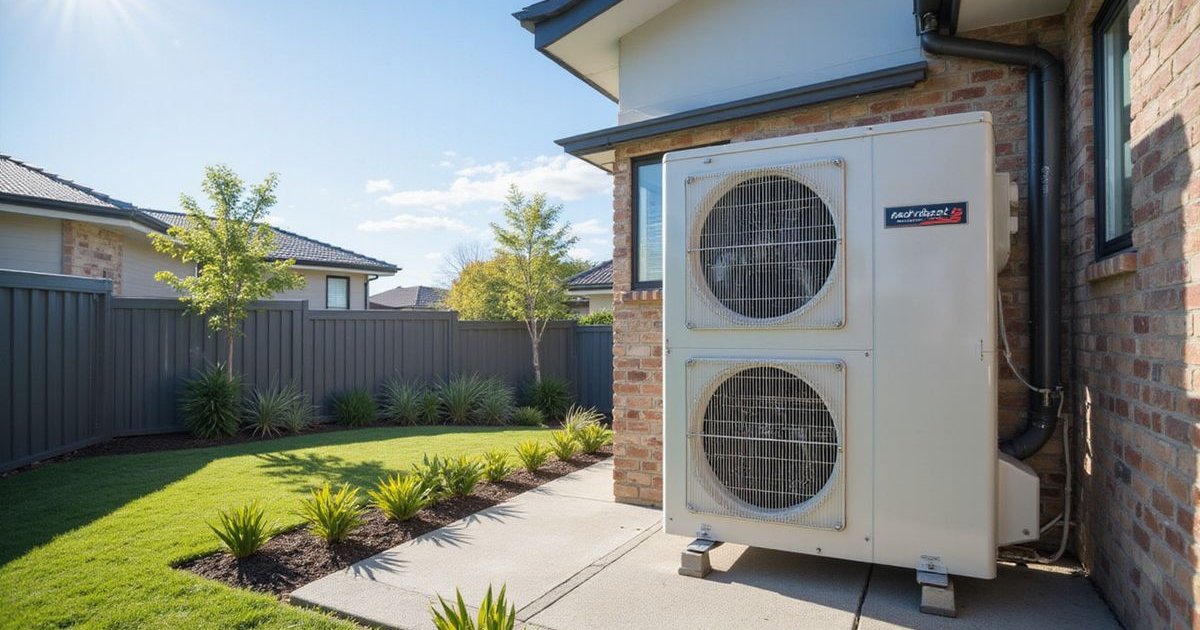
Heat pumps need outdoor space for the heat pump unit. They also need a storage tank, though integrated designs combine both in one unit.
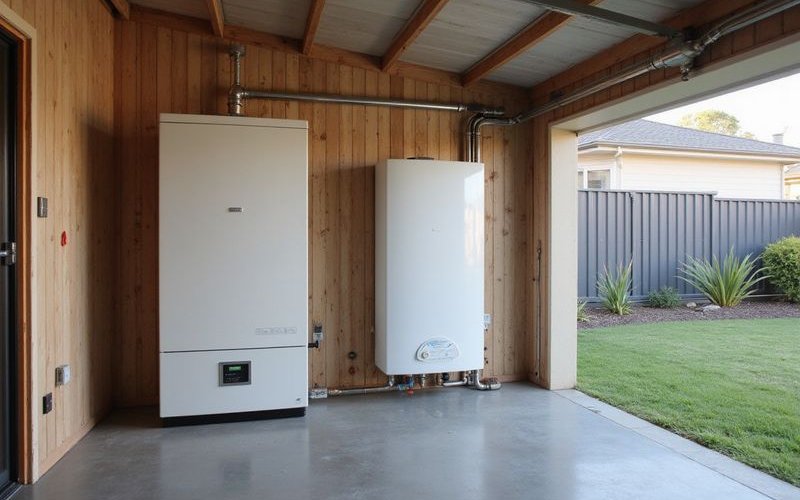
If you have limited outdoor space, gas continuous flow might be the practical choice.
Clearance and Airflow
Our installers always check for proper airflow clearance. Heat pumps need to “breathe” to extract heat efficiently.
You typically need at least 300mm to 500mm of clearance around the top and fan side of the unit. Placing them in a tight, enclosed alleyway can reduce their efficiency and lifespan.
Noise Levels
Gas storage systems are essentially silent - just a burner that fires periodically.
Gas continuous flow units make some noise when firing, which can be noticeable if mounted near living areas.
Heat pumps produce a low hum when the compressor runs, similar to an air conditioner. Modern units are quieter than older models, typically registering between 37dB and 50dB.
We advise clients not to install a heat pump directly outside a master bedroom window. While the noise is low, the vibration and fan whir can be audible in the dead of night.
Hot Water Recovery
Gas continuous flow provides instant, unlimited hot water. This is ideal for large households or homes with multiple bathrooms used simultaneously.
Gas storage heats the tank relatively quickly, providing good recovery between uses.
Heat pumps are slower at heating water, relying on stored water to meet peak demand.
The Importance of Sizing
Proper sizing ensures adequate supply.
We generally recommend a 315-liter tank for a family of four to ensure you don’t run out during the morning rush. Unlike gas continuous flow, you cannot force a heat pump to heat water instantly. Once the tank is cold, it takes 3 to 4 hours to fully reheat.
Environmental Considerations
Heat pumps produce significantly fewer emissions. This advantage grows as Perth’s electricity grid incorporates more renewables.
They have no on-site combustion and no direct emissions.
Gas systems burn fossil fuels, producing CO2 and other combustion products. If environmental impact matters to you, heat pumps are the clear winner.
Our Recommendation
Choose a heat pump if:
- You can afford the higher upfront cost
- You have rooftop solar panels (this is the biggest financial win)
- You have outdoor space for the unit with good airflow
- You want to minimise long-term costs
- Environmental impact matters to you
Choose gas if:
- Budget is constrained
- You have limited outdoor space or need a compact wall-unit
- You need instant unlimited hot water for a very large family
- You have other gas appliances (sharing connection costs)
- Your current gas system is still working well
Still Unsure?
We provide free assessments that include an honest comparison of options for your specific situation.
No sales pressure - just information to help you decide.
Contact us to arrange an assessment.
Have Questions About Your Hot Water System?
Our team is ready to help with expert advice and professional service.