Is Solar Hot Water Worth It in Perth? Costs, Savings & Reality Check
Honest assessment of solar hot water value in Perth. Upfront costs, energy savings, roof requirements, and when solar makes sense for your home.
Is Solar Hot Water Worth It in Perth? Costs, Savings & Reality Check
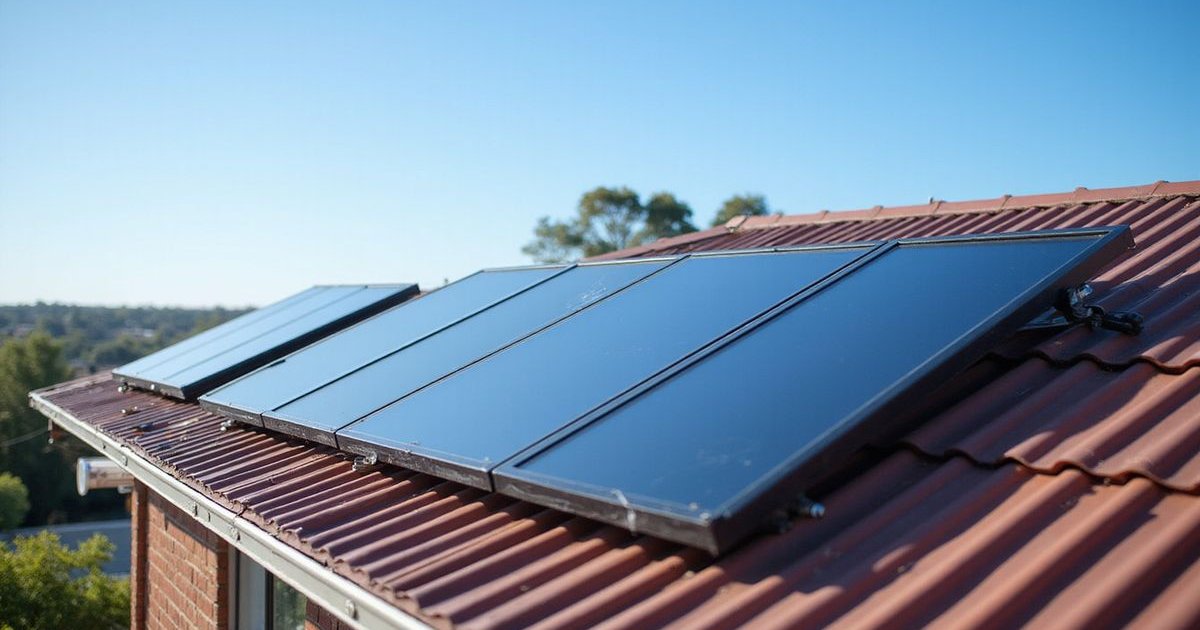
Perth receives some of Australia’s best solar irradiance, which is why you see collectors on so many rooftops from Joondalup to Mandurah. But with the rise of efficient heat pumps and changing electricity tariffs in 2026, is traditional solar hot water still the smart play? We have crunched the latest numbers to give you a clear answer.
Perth’s Solar Advantage
Perth averages over 3,200 hours of sunshine annually. That is roughly 8.8 hours of sunlight per day, giving our region a distinct advantage over the east coast.
From our experience installing these units, a properly sized system in WA’s Zone 3 climate can effectively effectively shut off its booster for months at a time. On a typical summer day, free solar energy provides 90-100% of your hot water. Even in July and August, solar contribution often sits between 40-60%, meaning your booster only works half as hard as a standard electric system.
The True Costs (2026 Update)
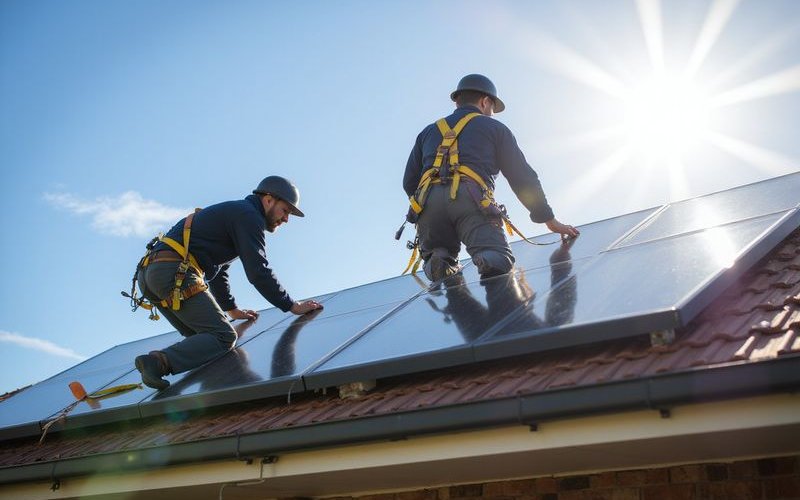
Prices have shifted significantly in the last two years due to manufacturing changes and the gradual reduction of the federal rebate.
System and Installation Costs:
- Roof-Mounted (Thermosiphon): $3,800 - $5,500
- Split Systems (Tank on Ground): $4,800 - $7,500
- Federal Rebate (STCs): Approximately -$2,200 to -$2,600 (Zone 3)
Important Note on Rebates: The Small-scale Technology Certificate (STC) scheme is phasing out. Every January 1st, the “deeming period” drops by one year, reducing the rebate value by roughly 6-7%. If you are sitting on a quote from last year, it likely needs updating.
Annual Running Costs (Boosting Only):
- Electric Boost: $120 - $220/year
- Gas Boost: $180 - $300/year (rising due to increased gas supply charges)
Compared to Conventional Systems:
- Standard Electric Storage: $950 - $1,300/year (based on Synergy A1 tariff ~32c/kWh)
- Standard Gas Storage: $550 - $850/year
- Heat Pump: $180 - $350/year
The Savings Reality
We calculate these savings based on a typical 4-person household in Perth using roughly 200 litres of hot water daily.
Scenario A: Replacing an Electric Storage System
- Annual Savings: $750 - $1,100
- Payback Period: 4 - 6 years
- The Verdict: This is the “slam dunk” scenario. With Synergy’s standard electricity rate now sitting around 32 cents per unit, moving from an electric guzzler to solar yields the highest return on investment (ROI).
Scenario B: Replacing a Gas Storage System
- Annual Savings: $250 - $450
- Payback Period: 9 - 12 years
- The Verdict: The math is tighter here. While you save on usage, you still pay the daily gas supply charge (~22c/day) unless you disconnect gas entirely. Many homeowners choose solar here for environmental reasons rather than pure financial speed.
When Solar Makes Sense
Ideal Candidates for Solar Thermal:
- North-Facing Roof: You have unshaded northern roof space.
- Long-Term Owners: You plan to stay for 7+ years to maximize ROI.
- Electric Replacement: You are swapping out an old resistive electric tank.
- Heavy Morning Users: You use most of your hot water in the morning, allowing the tank to recharge all day.
When to Reconsider:
- Heavy Shade: Even partial shading from a neighbour’s second story can kill a system’s efficiency.
- Roof Aesthetics: You want a clean roofline without a 300kg tank sitting on it.
- Short-Term Plans: If you are selling in 3 years, you may not recoup the upfront cost.
Insider Tip: The “Western Myth”
We often hear that panels must face north. While north is optimal, a west-facing orientation in Perth is actually highly effective. It captures the intense afternoon heat, ensuring your water is hottest right before evening showers.
Solar vs. Heat Pump: The Modern Debate
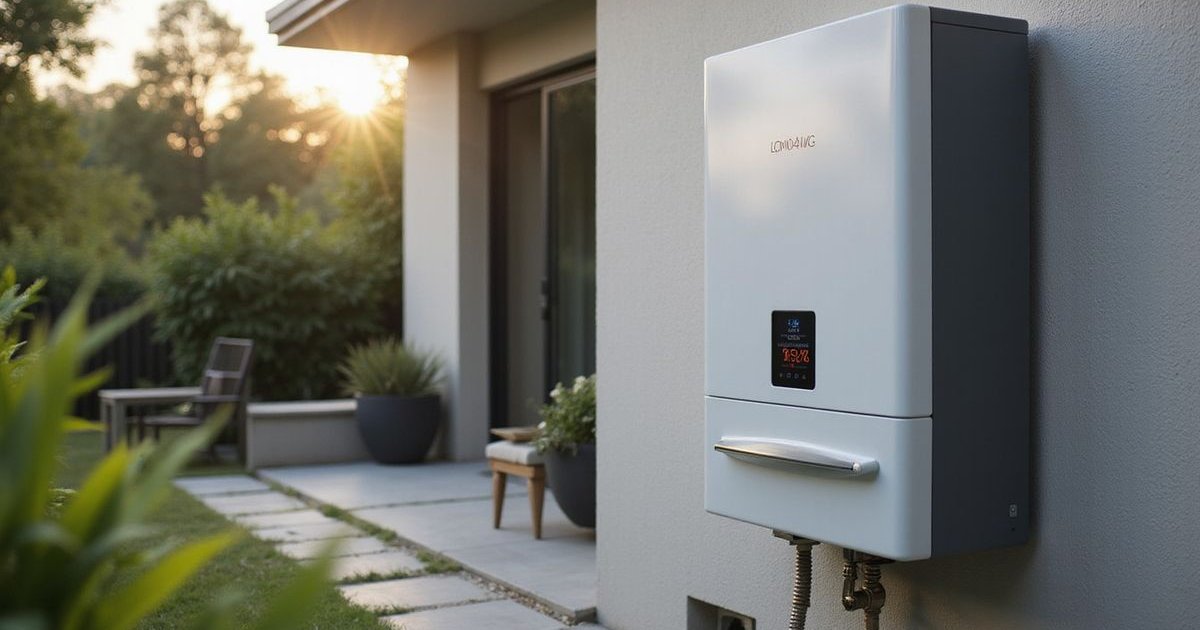
Heat pumps (like the Perth-engineered iStore or Reclaim Energy units) have become the fiercest competitor to traditional roof solar.
| Feature | Solar Thermal (Roof Panels) | Heat Pump (Compressor) |
|---|---|---|
| Upfront Cost | High ($4k - $6k) | Moderate ($3k - $4.5k) |
| Lifespan | 20+ Years | 10 - 15 Years |
| Roof Impact | Heavy tank or panels visible | None (Unit sits on ground) |
| Winter Performance | Requires boosting | Consistent year-round |
| Synergy Integration | Passive savings | Active savings (Timer control) |
| Noise | Silent | Low Hum (45-50dB) |
The “Mid-Day Saver” Advantage: Heat pumps allow for a unique financial trick. If you switch to Synergy’s Mid-day Saver plan, electricity drops to ~8 cents/kWh between 9 am and 3 pm. By putting a heat pump on a timer to run only during this window, you can heat a full tank of water for roughly 30 cents a day—matching or beating solar thermal efficiency without putting anything on your roof.
Our Honest Assessment
Solar hot water remains a powerhouse solution for Perth’s climate, but the “best” choice depends on your specific home setup.
We generally recommend Solar Thermal (Roof Panels) if:
- You want a “set and forget” system with a 20-year lifespan.
- Your roof is structurally sound and faces North or West.
- You prefer a silent system with no mechanical compressor noise.
We recommend a Heat Pump if:
- You have solar PV panels (to power the unit for free).
- Your roof is shaded, complex, or you prefer the “clean roof” look.
- You are tech-savvy enough to set a timer for off-peak rates.
Free Assessment
We provide transparent quotes that compare both solar thermal and heat pump options side-by-side. If your roof isn’t right for solar, we will tell you straight up. Contact us today to arrange a site inspection and find the system that fits your budget.
Have Questions About Your Hot Water System?
Our team is ready to help with expert advice and professional service.