Solar vs Heat Pump Hot Water: Which Should Perth Homeowners Choose?
Comparing solar thermal and heat pump hot water systems for Perth. Efficiency, costs, roof requirements, and which technology suits your home.
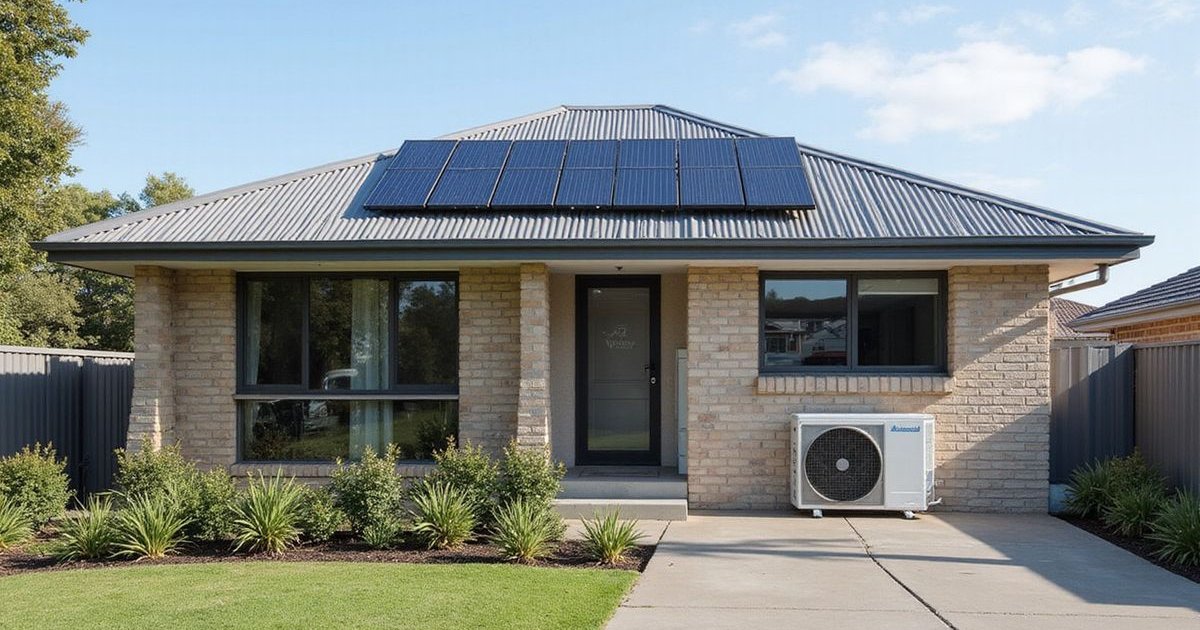
Both solar and heat pump hot water systems offer significant efficiency advantages over conventional gas or electric systems. But which is better for Perth homes? Here’s our detailed comparison.
The Quick Comparison
| Factor | Solar Hot Water | Heat Pump |
|---|---|---|
| Upfront cost (Installed) | $4,000 - $7,000 | $3,000 - $5,000 |
| Running cost (Annual) | $100 - $250 | $150 - $300 |
| Rebate Eligibility | Federal STCs (Zone 3) | Federal STCs (Zone 3) |
| Roof Space Needed | Yes (4-6 sqm North-facing) | No (Ground unit only) |
| Consistency | Weather Dependent | Consistent Year-Round |
| Noise Level | Silent | Low Hum (40-50dB) |
| Best For | North-facing, unshaded roofs | Solar PV owners & shaded homes |
How Each Technology Works
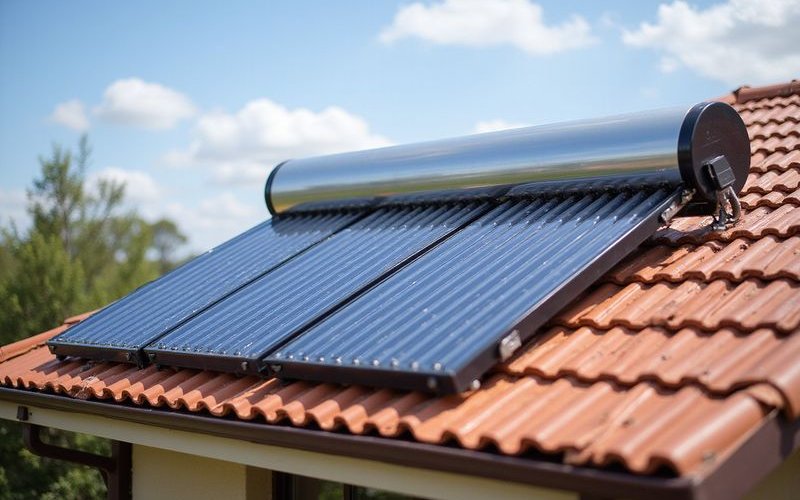
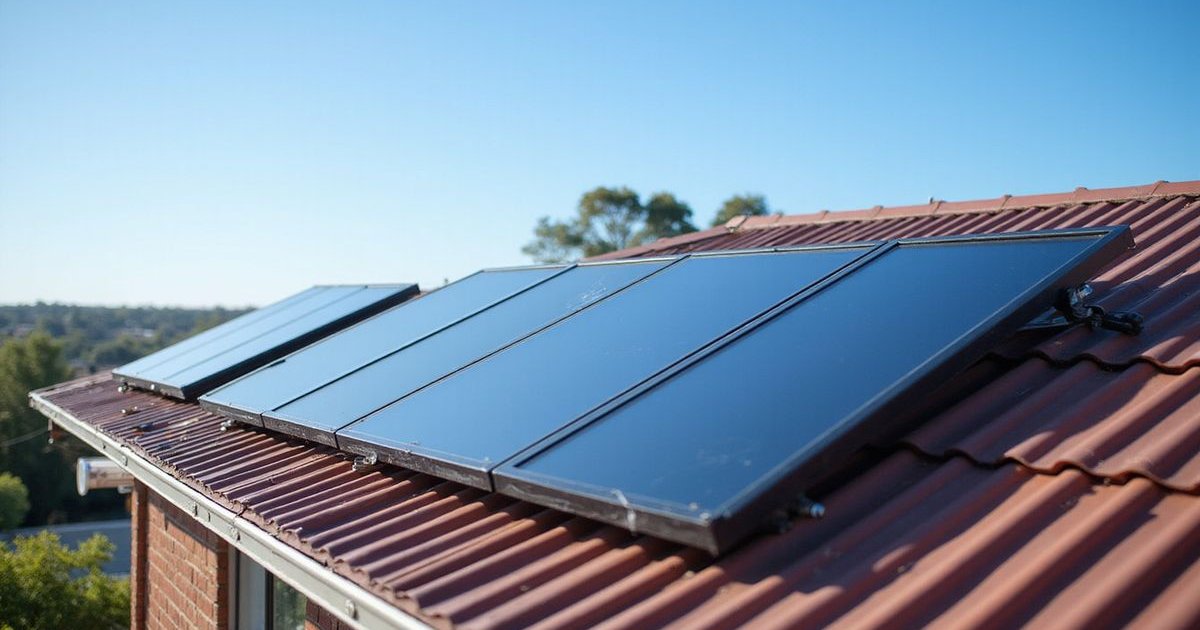
Solar hot water uses roof-mounted collectors to directly heat water using the sun’s energy. A storage tank holds the heated water, with a booster (electric or gas) for cloudy days.
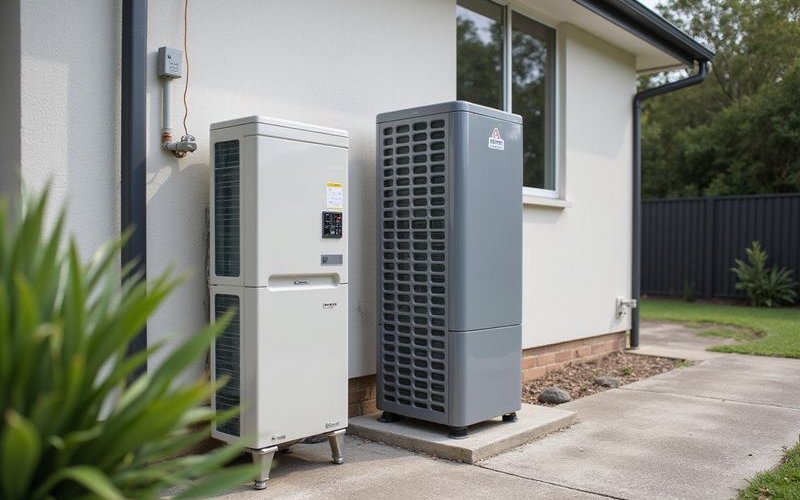
Heat pumps extract warmth from ambient air and concentrate it to heat water. They work like a reverse refrigerator, using electricity to move heat rather than generate it.
The process is simple:
- A fan draws outside air into the unit.
- The warmth in the air heats a special refrigerant (often R290 or CO2).
- This refrigerant is compressed, which dramatically increases its temperature.
- The heat is transferred to your water tank.
Performance in Perth
Solar in Perth: Perth’s excellent sunshine means solar systems can provide 60-80% of annual hot water needs.
We see excellent results in summer, where the booster is rarely needed. However, consecutive cloudy days in winter require the electric or gas booster to kick in, which can spike your bills just when you use the most hot water.
Heat pumps in Perth: Perth’s mild climate is ideal for heat pumps.
Our testing shows they maintain consistent efficiency year-round because Perth’s winter temperatures rarely drop below the operating threshold of quality units. A good heat pump will operate with a Coefficient of Performance (COP) of around 4.0, meaning for every 1kW of electricity used, it generates 4kW of heat.
The Cost Reality
Upfront investment: Solar typically costs $1,000-$2,000 more than equivalent heat pump systems after rebates.
The “DEBS” Factor (Why this matters in 2026): The Distributed Energy Buyback Scheme (DEBS) has changed the math for Perth homeowners.
Synergy now pays very little for exported solar power—just 2 cents per kWh during the day.
- Exporting Solar: If you send your solar power to the grid, you earn peanuts.
- Self-Consuming: If you use that solar power to run a heat pump, you save the ~30 cents/kWh it would cost to buy from the grid.
Running costs: Solar has lower running costs when performing optimally - just booster operation on cloudy days. Heat pumps have consistent but slightly higher costs.
10-year total cost of ownership:
- Solar: $5,500-$9,000 (purchase + running)
- Heat Pump: $5,300-$9,000 (purchase + running)
Over time, the costs are remarkably similar.
Roof Considerations
Solar requires:
- Specific Orientation: Ideally North-facing for maximum exposure.
- Structural Integrity: A typical 300L tank on the roof weighs over 300kg.
- Shade Free: Even partial shading from a neighbor’s second story can kill efficiency.
- Space: 4-6 square metres of clear roof space.
Heat pump requires:
- Ventilation: Good airflow around the unit (usually installed outdoors).
- Clearance: Standard setbacks from fences and walls.
- Noise Buffer: Installation away from bedroom windows (yours and neighbors’) to comply with WA noise regulations.
If your roof isn’t ideal, heat pump is the clear choice.
Reliability and Maintenance
Solar systems:
- Roof penetrations create potential leak points.
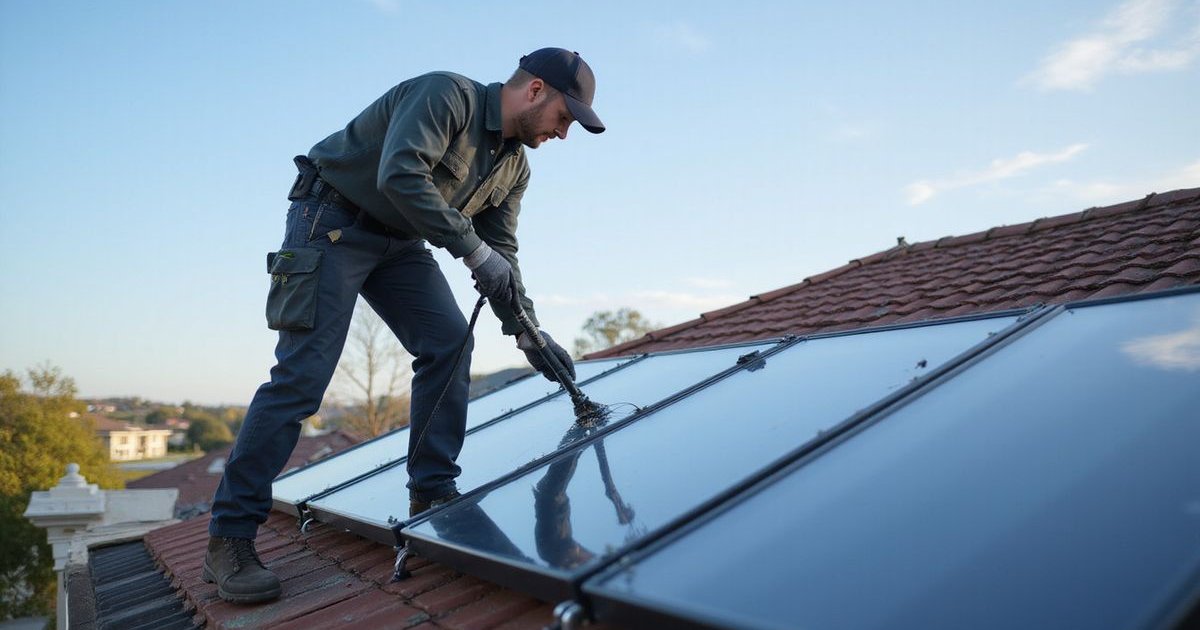
- Collector cleaning occasionally needed.
- Pump maintenance (split systems).
- More components = more potential issues.
Heat pumps:
- Self-contained ground unit.
- Minimal maintenance required (cleaning filters).
- Fewer components on the roof.
The “Hard Water” Warning: Perth water is notoriously hard, which destroys standard tanks.
We strongly advise checking your sacrificial anode every 2-3 years. If you neglect this, the hard water will eat through your tank’s lining, leading to leaks and voided warranties. For total peace of mind, ask about “active anodes” (impressed current) which don’t degrade over time.
Our Recommendation
Choose solar if:
- You have a perfect north-facing, unshaded roof.
- You want the absolute lowest carbon footprint.
- You don’t mind roof-mounted equipment.
- Your roof structure is suitable for the weight.
Choose heat pump if:
- You already have solar PV panels (use your excess power!).
- Your roof is shaded, facing East/West, or structurally limited.
- You want to avoid heavy tanks above your ceiling.
- You prefer a unit that is easier to service and replace.
- Your roof is heritage-listed or aesthetically sensitive.
The Honest Answer
Both technologies work well in Perth.
If your roof is genuinely suitable, solar provides excellent results. But for many homes, heat pumps offer simpler installation, more consistent performance, and fewer compromises - at similar total cost.
The smartest financial move in 2026 is often pairing a heat pump with a solar PV system. You use your own free power to run the unit, bypassing the grid entirely.
Contact us for a free assessment. We’ll evaluate your specific situation and honestly recommend the best technology for your home.
Have Questions About Your Hot Water System?
Our team is ready to help with expert advice and professional service.